
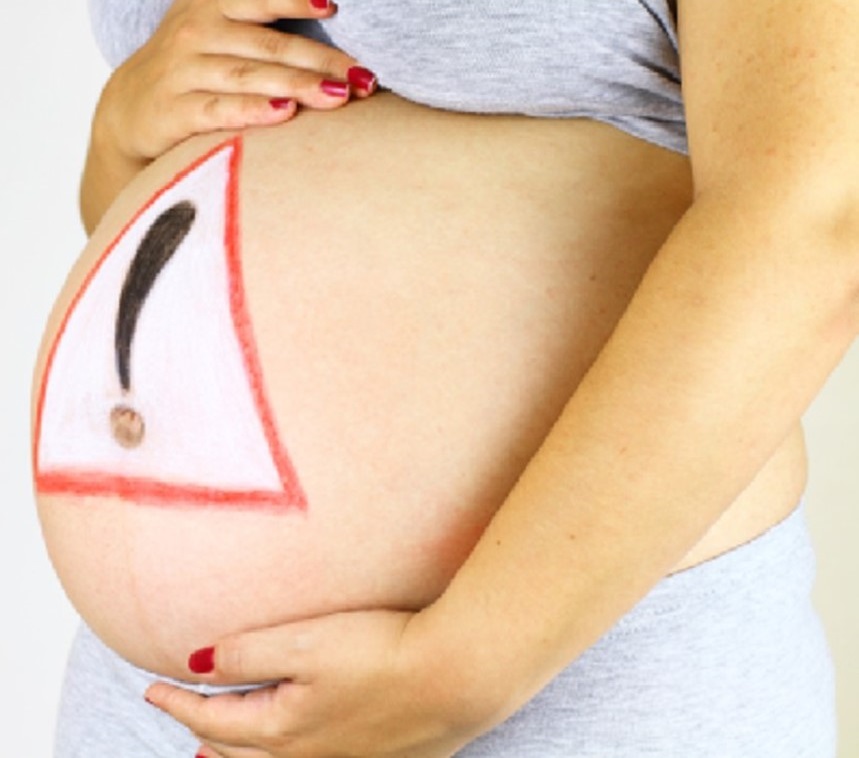
The management of high-risk pregnancies is completely different from that of normal pregnancies. Risks during pregnancy can be maternal, placental, fetal, or related to delivery. They may be present before pregnancy or may arise at any stage of pregnancy, during delivery, or after delivery.
Examples of Current Risks in the Mother-to-Be
Pregnancies under the age of 18
Pregnancies over the age of 35
Overweight or underweight pregnancies
Couples with a history of consanguinity
Patients who have undergone major surgery
Pregnant women with pre-existing conditions such as heart disease, diabetes, hypertension, epilepsy, thyroid disorders, or other medical conditions are classified as high-risk pregnancies.
Examples of Risks from Previous Pregnancies
Pregnant women with a history of miscarriage or recurrent pregnancy loss
Pregnant women who have had a preterm birth (before 28 weeks)
Pregnant women who have experienced preeclampsia (pregnancy-induced hypertension)
Pregnant women who have given birth to an extremely low birth weight baby (premature)
Pregnant women who have given birth to an extremely high birth weight baby (macrosomia)
Pregnant women who have lost a baby in the last three months of pregnancy (intrauterine fetal loss)
Pregnant women who experienced excessive bleeding during childbirth (postpartum hemorrhage)
Pregnant women who have experienced uterine rupture
Pregnant women who have undergone myomectomy
Pregnant women who have undergone uterine curettage
Pregnant women who have experienced ectopic pregnancy
Examples of Risks from the Current Pregnancy
Pregnant women at risk of miscarriage and bleeding
Pregnant women with twin or triplet (multiple) pregnancies
Pregnant women with risk factors identified in screening tests
Pregnant women requiring diagnostic testing
Pregnant women requiring in-utero treatment
Situations requiring blood transfusion for the baby
Treatment of fetal infections (intrauterine infections)
Pregnant women with cervical insufficiency
Pregnant women at risk of premature birth
Pregnant women with uterine fibroids
Pregnant women with hypertension
Pregnant women with fetal growth restriction (fetal growth restriction)
Pregnant women with low amniotic fluid (oligohydramnios)
Pregnant women with excessive amniotic fluid (polyhydramnios)
Pregnant women with other potential risk factors
Pregnant women with fetal risks
Babies with identified anomalies
Babies who have had an illness during pregnancy
Babies with abnormal uterine positioning
Patients with risks related to childbirth
Procedures performed in cases of placenta previa (placenta previa)
Cases where the placenta is abnormally attached to the uterine wall (placenta accreta)
Pregnant women at risk of bleeding during childbirth
Pregnant women at risk of uterine rupture during childbirth
Twins or triplets
Pregnant women with a history of complications during a previous normal vaginal delivery or cesarean section
Knowledge and experience are very important in the management of high-risk pregnancies. Your doctor can manage these risks, but in necessary cases, follow-up by a perinatologist is required, and patients may be referred to a perinatologist. Your doctor will inform you about this.
Who is a Perinatologist?
A perinatologist, also known as a perinatologist, is an obstetrician and gynecologist who has completed specialized training in perinatology (high-risk pregnancy care) after obtaining their medical degree.
During this three-year advanced specialty training, they enhance their knowledge and expertise in the diagnosis, monitoring, and treatment of high-risk pregnancies. Upon completion of the three-year program, they earn the title of high-risk pregnancy specialist, or perinatologist.
We are here to provide the best service for your health. You can make an appointment by filling out the form below or calling our phone number.
Yeniköy Mah. Severcan Cad. Zeytindalı Önbahçe Evleri C Blok No:1 Bodrum
Monday - Friday: 09:00 - 18:00
Saturday: 09:00 - 13:00
Sunday: Closed