
WHAT IS UROGYNECOLOGY?
The medical field that deals with the treatment of pelvic floor disorders in women is called “urogynecology.” A gynecologist who specializes in the treatment of problems related to pelvic floor disorders is called a “urogynecologist.”
What are pelvic floor disorders?
The pelvic floor consists of muscles, ligaments, fasciae, and nerves that support the organs located within the pelvis, namely the bladder, uterus, vagina, and rectum. The complex, intertwined structure of the pelvic floor not only supports these organs in their proper positions but also plays a crucial role in enabling them to perform their functions. If this integration in the pelvic floor is disrupted, bladder or bowel control may be impaired, leading to urinary or fecal incontinence, pelvic organ prolapse, difficulty urinating, pelvic pain, and sexual problems.
URINARY INCONTINENCE
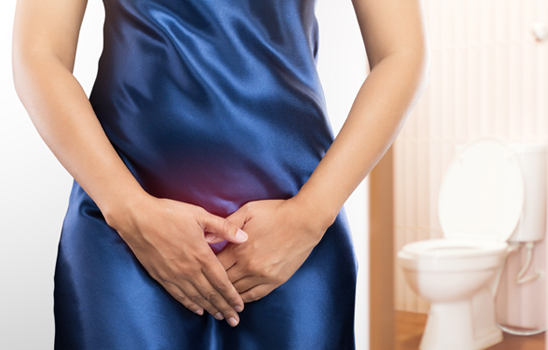
“Incontinence” is the inability to hold urine or control the bladder. Although it is a common problem in society, urinary incontinence is not a natural part of the aging process or a result of aging. Therefore, if you are experiencing urinary incontinence, you do not have to live with it! Consult your doctor to discuss treatment options.
WHAT ARE THE TYPES OF URINARY INCONTINENCE?
There are different types of urinary incontinence, and each type causes different symptoms. The three most common types of urinary incontinence are:
Stress urinary incontinence: Stress urinary incontinence is the loss of urine during activities that cause pressure on the bladder, such as laughing, coughing, sneezing, or other events that increase pressure in the abdomen. This is the most common type of urinary incontinence in women, especially those who have given birth.
Urge incontinence: In urge incontinence, the patient suddenly feels a strong urge to urinate. The urge is often so strong that the patient cannot reach the toilet in time.
Mixed incontinence: In mixed incontinence, both types of incontinence are present.
HOW IS URINARY INCONTINENCE DIAGNOSED?
To diagnose urinary incontinence and determine its type, the patient's medical history, physical examination, and urine analysis are performed during the initial consultation.
Bladder diary: Your doctor may ask you to fill out a diary to understand your urinary frequency and type, including the times of day and events that trigger urinary incontinence. They will provide you with a pre-printed form and ask you to complete it by your next visit.
Pelvic examination: Pelvic organ prolapse often occurs alongside urinary incontinence. To assess this, your doctor will perform a vaginal examination to check for prolapse of organs such as the uterus, bladder, or rectum.
Stress test (cough stress test – cough test): Stress-type urinary incontinence is diagnosed based on the visible leakage of urine from the urethra during coughing. When we cough, we contract our abdominal muscles, which increases abdominal pressure and causes urine leakage. For this test, the patient must come in with a full bladder. After your doctor prepares you on the examination table in a gynecological position, they will ask you to cough while observing the opening of your urethra. The test is as simple as that.
Amount of urine remaining after urination: In order to distinguish between overflow incontinence, which is caused by the bladder not emptying completely during urination, and other types of incontinence, the amount of urine remaining after you have completely emptied your bladder will be measured by ultrasound.
Urine culture: Since urinary tract infections can also cause urinary incontinence, a culture must be taken to rule this out.
Cotton swab test (excessive mobility of the bladder neck test) (Q-tip test): During the examination, a cotton swab is placed at the exit of the urethra to assess whether there is excessive mobility that can be corrected surgically. This test was once the most commonly used method but is no longer as widely applied.
Urodynamics: The role of urodynamics, also known as voiding test, in the diagnosis of urinary incontinence is controversial. Currently, voiding test is not recommended as an initial step in the diagnosis of stress urinary incontinence. However, this test may be necessary in certain situations:
If the type of urinary incontinence cannot be determined despite examination and physical examination
If the patient's symptoms do not align with physical examination findings
If the patient does not benefit from treatment
If there is a clinical research situation where objective confirmation of the diagnosis is required
In some cases, it may be necessary if surgical intervention is planned; however, this is the last indication and is controversial.
Urodynamic testing is time-consuming, costly, and its impact on surgical decision-making is not fully understood. Therefore, even if the urodynamic results are negative, a patient may still benefit from surgery, making the test unnecessary.
URINARY INCONTINENCE TREATMENTS
The treatment of urinary incontinence varies depending on its type. In summary, the main treatment for urge urinary incontinence is medication that relaxes the bladder, while the main treatment for stress urinary incontinence is surgical methods that provide anatomical support to the bladder or repair damage to the tissues that allow urine to flow out. Electrical stimulation to relax the bladder muscles is not a commonly used method in our country.
If you have taken measures to reduce urinary incontinence but have not been treated, your doctor will apply the necessary treatment according to the type of urinary incontinence you have.
We are here to provide the best service for your health. You can make an appointment by filling out the form below or calling our phone number.
Yeniköy Mah. Severcan Cad. Zeytindalı Önbahçe Evleri C Blok No:1 Bodrum
Monday - Friday: 09:00 - 18:00
Saturday: 09:00 - 13:00
Sunday: Closed