
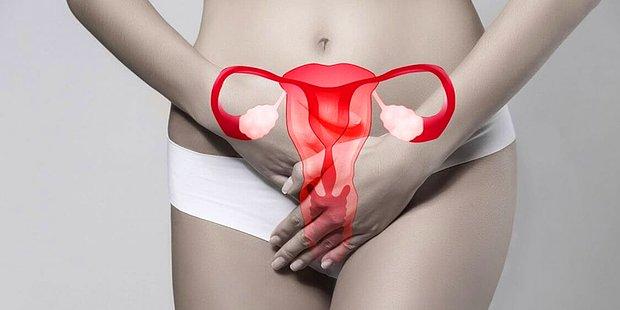
What is uterine prolapse?
The uterus is the organ in mammals where the fertilized egg implants, grows, and develops until birth. In women who have never given birth, it measures approximately 5-6 cm in size, while in women who have given birth, it measures approximately 6-7 cm in size. It is located within the pelvic bone, behind the bladder, and in front of the large intestine. It has a dark pink color.
Genital organs have limited mobility due to the ligaments that hold them in place. These ligaments can lose their function due to aging, number of births, and type of delivery. With the loosening of the ligaments, it is common for the genital organs to sag into the vagina. Uterine prolapse is the downward displacement of the uterus into the vagina as a result of certain factors.
What are the causes of uterine prolapse?
Having multiple pregnancies
Giving birth vaginally
Giving birth to large babies
Advanced age
Lifting heavy objects
Persistent coughing
Chronic constipation and straining
Obesity
Excessive stretching of the muscles and connective tissue around the abdomen as a result of certain lung diseases
What are the symptoms of uterine prolapse?
Symptoms may vary depending on the severity of the condition. If you have a newly developing prolapse, you may not experience any symptoms at first. Symptoms typically begin mildly in the early morning hours and worsen as the day progresses. If you have moderate to severe uterine prolapse, you may experience the following symptoms:
*Lower back pain
*A sensation of something protruding from the vagina
*A feeling of heaviness or pulling downward in the lower abdomen
*Pain during sexual intercourse
What Complaints Does Uterine Prolapse Cause?
There are different degrees of prolapse. In cases of severe prolapse, women may be able to feel their uterus with their hands. In advanced cases, the uterus may even protrude completely outside the vagina. Generally, uterine prolapse affects not only the uterus but also the thick intestine and bladder next to it. Women with uterine prolapse often experience a feeling of fullness and pain in the lower abdomen when standing, straining, coughing, or sneezing. In cases where the rectum (the end of the large intestine) also prolapses along with the uterus, the rectum moves closer to the vagina. This prolapse may also cause constipation. In women with bladder prolapse, depending on the severity of the prolapse, urinary incontinence and difficulty urinating may occur while standing, during sexual intercourse, and when laughing. Prolapse of the genital organs may also cause women to lose pleasure in their sexual lives.
How is uterine prolapse diagnosed?
Women who experience this problem are generally aware that they have uterine prolapse. However, even in women who have no symptoms, it can sometimes be diagnosed based on symptoms. Women who experience urinary incontinence or a feeling of fullness in the lower abdomen can easily be diagnosed through a gynecological examination when they consult a doctor about these complaints.
How is Treatment Performed?
Treatment for uterine prolapse varies from patient to patient. The age of the woman being treated, whether she wishes to have children, the severity of the condition, and her overall health all influence the type of treatment. In cases where the problem is newly diagnosed, Kegel exercises—which involve strengthening the muscles around the vagina—can help slow down the progression of prolapse to some extent. In cases of advanced uterine prolapse, surgical intervention becomes inevitable as exercise treatments cannot resolve the issue. For women who have previously given birth or plan to do so, the recommended treatment typically involves removing the uterus from the vagina, excising the excess tissue from the front vaginal walls, and performing a vaginal tightening procedure. Women who undergo vaginal tightening surgery must opt for cesarean delivery instead of normal delivery if they become pregnant. In women of reproductive age who wish to have children and do not want their uterus removed, the uterus is not removed. Only the excess tissue in the front and back walls of the vagina is removed, and the widening is repaired by narrowing the vagina. This will reduce the complaints of vaginal widening in women who have given birth.
Sexual problems are also corrected, providing greater satisfaction than before. In cases of significant uterine prolapse, the ligaments that hold the uterus in place within the abdomen are accessed, pulled upward, and strengthened, thereby making it possible to avoid hysterectomy. However, lifting procedures are not a long-term treatment method. Depending on the type and technique of the procedure, there is a risk that the prolapse may recur within an average of 5 years. Vaginal surgeries typically last approximately 1–1.5 hours. However, in cases of uterine prolapse, the surgery duration averages around 3 hours. Sexual activity is prohibited for 6 weeks following the procedure. The patient will be able to resume their daily activities shortly after surgery. However, it may take 4 to 6 weeks for the wound inside the vagina to heal completely. During this period, the patient may take a shower. However, the patient is prohibited from going to the sea, swimming pool, hot springs, and sauna.
What Can Be Done to Prevent Uterine Prolapse?
It is not possible to prevent the occurrence of uterine prolapse. However, you can reduce the risk factors in your life. Eating a healthy diet and avoiding excessive weight gain are the most important precautions you can take. Exercises to strengthen the muscles at the base of the abdomen are also beneficial. For example, squeezing the vaginal muscles as if you were stopping urination and counting to five is a good exercise. This should be repeated several times a day. If you smoke, you should quit. If you have a persistent cough or chronic constipation, consult your doctor for treatment. Taking estrogen hormone supplements during menopause can prevent muscle relaxation. However, you should be aware that hormone therapy also has its own risks, so you should decide on treatment in consultation with your doctor.
We are here to provide the best service for your health. You can make an appointment by filling out the form below or calling our phone number.
Yeniköy Mah. Severcan Cad. Zeytindalı Önbahçe Evleri C Blok No:1 Bodrum
Monday - Friday: 09:00 - 18:00
Saturday: 09:00 - 13:00
Sunday: Closed