
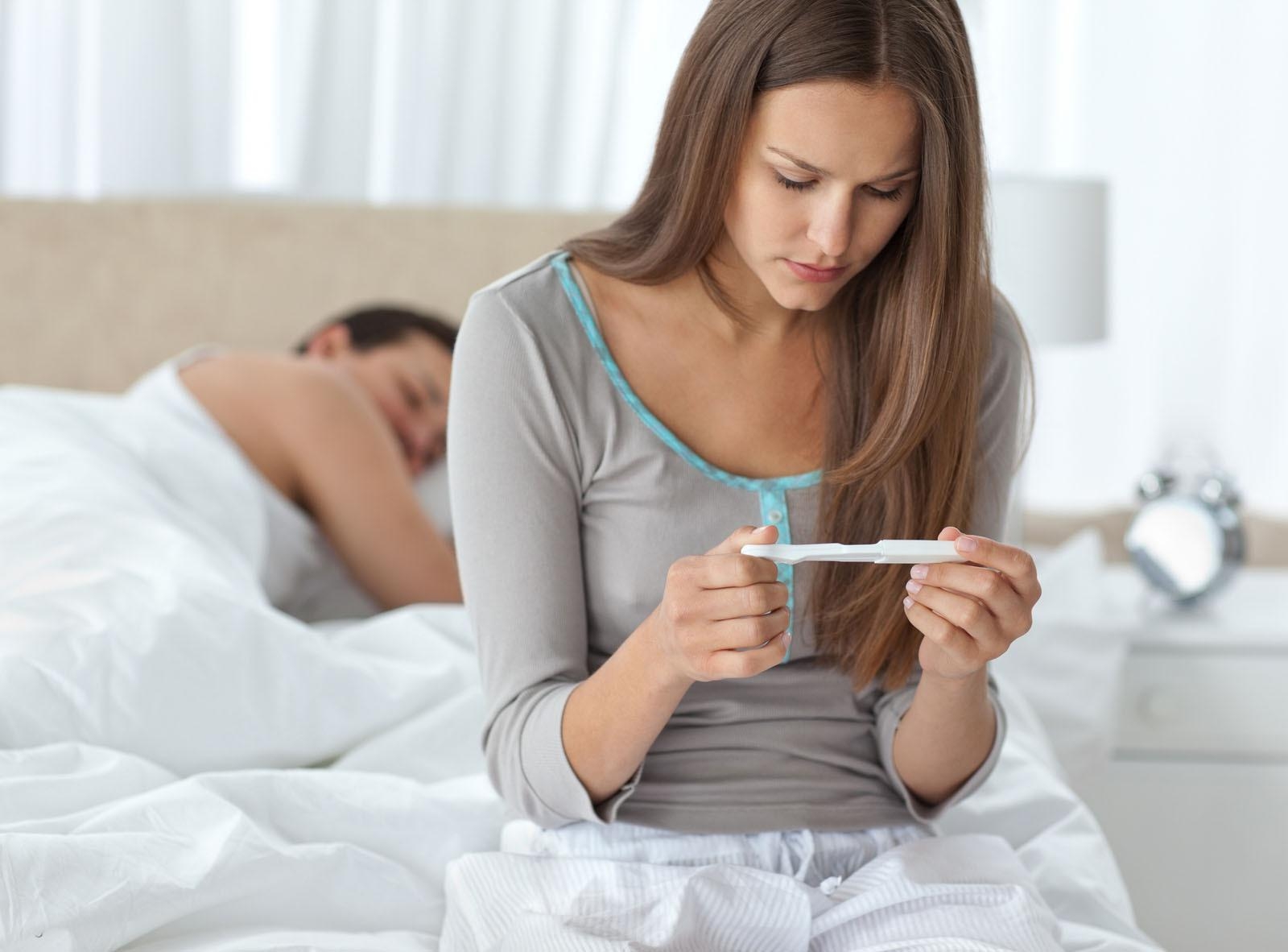
Infertility is defined as the failure to conceive after one year of regular intercourse. This period may be longer in younger couples. If the woman is over 35 years of age and has a history of infertility, investigation should be started without delay.
Infertility affects 15-20 out of every 100 couples and becomes more common with age. Infertility is a health problem related to the reproductive system. It can be caused by a single factor or a combination of several factors.
There are many safe and effective treatment options available to overcome infertility. These treatments increase the chances of couples having a baby.
The cause of infertility may be related to the woman or the man, and in 10-15% of cases, no cause can be identified despite extensive investigation.
Causes of Infertility
Generally, 85 out of every 100 couples who have regular intercourse 2-3 times a week conceive within a year, and the majority of the remaining 15 couples conceive without the need for treatment in the second year.
However, women experience a significant decline in fertility with advancing age. While this decline is not very noticeable until the ages of 32-35, it becomes increasingly evident after the age of 38 and can result in fertility losses of up to 75% by the age of 40.
From this perspective, gynecological evaluations should be conducted without delay for women over the age of 35 who have been experiencing infertility issues for more than six months. The effect of age on fertility is not as pronounced in men as it is in women.
The causes of infertility are generally shared equally between men and women, at a ratio of 50-50.
Infertility in Men
Many factors can cause poor fertility. The most common causes of male infertility are abnormal sperm production, function, and sperm morphology. Lifestyle factors can influence these factors.
The causes of infertility (sterility) in men are as follows:
Decreased sperm count and motility
Structural problems with sperm
Absence of sperm cells in semen (azoospermia)
Blocked ducts
Sperm not being ejaculated (retrograde ejaculation)
Hormonal causes:
Undescended testicles at birth or after birth
Feverish illnesses during childhood, such as mumps during puberty
Genetic disorders:
Varicocele (enlargement of the veins leading to the testicles)
Diseases such as syphilis and gonorrhea
Sexual dysfunction (erectile dysfunction and premature ejaculation)
Diabetes
Previous cancer treatment
Infections
Testosterone deficiency
Excessive smoking or alcohol consumption
Stress
Causes of infertility in women:
Damage or blockage of the fallopian tubes
Irregular menstrual cycle
Decreased ovarian reserve
Blockage or adhesions of the fallopian tubes
Previous infections or abdominal surgery
Endometriosis: This is defined as the endometrium, which is found in the inner lining of the uterus and is shed each month during menstruation, implanting itself in areas outside the uterus and affecting the function of the ovaries, uterus, or fallopian tubes.
Ovulation disorders
High prolactin levels
Polycystic Ovary Syndrome (PCOS): In this condition, the body produces too much androgen hormone, which affects ovulation. PCOS is also associated with insulin resistance and obesity.
Early menopause
Uterine fibroids: Fibroids are benign tumors found in the uterine wall.
Intra-abdominal adhesions: These are adhesions that form after pelvic infections, appendicitis, or abdominal or pelvic surgery.
Thyroid problems: Thyroid gland disorders (such as excessive or insufficient thyroid hormone secretion) can affect the menstrual cycle and cause infertility.
Cancer history and cancer treatment: Cancers that occur in the female reproductive system can lead to infertility. Radiation therapy and chemotherapy can also affect a woman's reproductive ability.
Other medical conditions: Conditions such as delayed puberty, amenorrhea, liver disease, and diabetes can also cause infertility in women.
Caffeine intake: Excessive caffeine consumption can also lead to infertility.
Obesity
Excessive smoking and alcohol consumption
Sometimes fertility decreases due to multiple factors, while in other cases no cause for infertility can be found.
How is infertility tested?
In men, this test is performed through semen analysis. A sperm sample is collected after a 3- to 7-day period of abstinence and examined under a microscope to obtain information about sperm count, motility, and structure. If necessary, an anti-sperm antibody test may also be added.
In women, the presence of ovulation can be determined by the regularity of menstrual periods or confirmed by blood tests performed 7 days before the expected period. Sometimes your doctor may want to monitor egg development and ovulation with ultrasound tests for 1 month. To assess egg quality, blood tests are performed between the 2nd and 5th days of your menstrual cycle to measure FSH, LH, estrogen, and AMH levels.
The patency of the fallopian tubes can be checked with an X-ray film called HSG, and in some cases, this may require laparoscopy, which involves viewing the inside of the abdomen with a telescopic camera.
How is infertility treated?
In vitro fertilization (IVF) is the most well-known fertility treatment, but there are other treatment options available for couples who have difficulty conceiving naturally.
The decision on which method to recommend is made based on your age, whether you have had a previous pregnancy, how long you have been trying to conceive, and other information specific to you, as well as an evaluation of your fallopian tubes, egg quality, and your partner's sperm.
If the fertility problem is caused by irregular ovulation, fertility drugs in tablet or injection form can be used to promote egg development.
Treatment in tablet form helps your body's natural fertility mechanisms work more effectively, while treatment in injection form directly stimulates the ovaries to ovulate.
Possible side effects of tablet treatment may include hot flashes, breast tenderness, nausea, and mood swings, while injection treatment may cause irritation at the injection site and, in rare cases, allergic reactions.
After any fertility treatment aimed at increasing the number of eggs, the risk of multiple pregnancies increases, and in rare cases, a condition called “ovarian hyperstimulation,” in which the ovaries are stimulated more than normal, may occur.
For these reasons, it is important that fertility treatments are administered under close supervision in our IVF units in order to minimize possible side effects. These drugs, which regulate and increase ovulation, are also frequently used in other fertility treatments.
Insemination Treatment
This treatment is performed by placing your partner's sperm into the uterus using a simple method during the ovulation period when fertility is at its highest. This method is recommended when the fallopian tubes are healthy and the cause of infertility is unknown.
It is also effectively used in couples where sperm count or motility has decreased to very low levels, sperm passage through the cervix is blocked, or sexual intercourse cannot be achieved due to vaginismus, premature ejaculation, or impotence.
The most motile and fertile sperm selected from the sperm sample provided by your partner is placed into the uterus through the cervix using a plastic tube.
Insemination treatment is not a painful method beyond normal menstrual discomfort and is generally performed in conjunction with fertility medications. The success rate of the treatment is approximately 15% and varies depending on the woman's age, the man's sperm values, and the health of the tubes.
In Vitro Fertilization (IVF) Treatment
Women who have regular periods produce a single egg each month. In IVF treatment, the aim is to increase this number with external hormone medications.
Although each treatment protocol varies, two parallel hormone treatments are generally administered to promote egg development and prevent early ovulation.
Eggs that reach maturity are collected using a simple aspiration method with a needle known as a trigger shot and fertilized with sperm obtained from the male in a laboratory setting.
Surgical Methods in Infertility Treatment
Certain surgical procedures prior to IVF can increase the chances of pregnancy.
Treatment of endometriosis,
Removal of fibroids and polyps that disrupt the uterine lining,
Separation of uterine adhesions,
Removal of blocked fallopian tubes that have enlarged due to fluid buildup,
Controlled heat therapy administered to the ovaries in women with polycystic ovary syndrome and suppressed ovulation,
Surgical retrieval of sperm from the testicles (TESE, TESA) or epididymis (MESA) in men with no visible sperm.
We are here to provide the best service for your health. You can make an appointment by filling out the form below or calling our phone number.
Yeniköy Mah. Severcan Cad. Zeytindalı Önbahçe Evleri C Blok No:1 Bodrum
Monday - Friday: 09:00 - 18:00
Saturday: 09:00 - 13:00
Sunday: Closed