
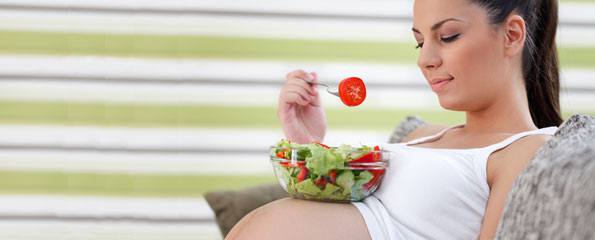
During pregnancy, especially during the first pregnancy, the expectant mother always wants to do something for her baby. In fact, most things happen naturally, but the only thing you can change and regulate is your diet. You should pay close attention to this issue. If you are not overweight or underweight, you should gain between 8 and 12 pounds during pregnancy. Most of this weight is gained during the second half of pregnancy. Some pregnant women fall into the misconception that if they are going to gain 10 pounds, they should gain 1 pound per month. As a result, they end up gaining extra weight by the second half of pregnancy. If you are overweight at the beginning, you should gain less weight, and if you are underweight, you should gain more weight. I strongly recommend that you consult a dietitian during your pregnancy; you will find it very beneficial.
So, how should I eat during pregnancy?
Details from expert dietitian İlkay ÖNGEN...
Pregnancy is a natural and physiological event for women.
During this period, it is very important for the mother to maintain her own health and keep her nutrient stores balanced so that the baby can grow and develop normally.
Except for some special cases, the mother does not need to follow a very strict diet. However, special diets are prescribed in cases such as gestational diabetes, hypertension, excessive edema, and preeclampsia. If the mother is at her ideal weight at the beginning of pregnancy, we aim for a weight gain of 10-12 kg during pregnancy. However, if there is excess weight, we try to end the pregnancy at a lower weight. During this period, mothers who are afraid of gaining weight and eat less than their daily requirement will harm both themselves and their babies. Similarly, unnecessary and excessive nutrition can also be harmful. Mothers who are unable to gain weight in the first months due to complaints such as nausea, vomiting, and loss of appetite should not worry. This can be compensated for in the following months. In a healthy mother, a weight gain of 0.5-1 kg in the first 3 months and 1.5-2 kg in the following months is sufficient. During this period, we calculate the calories the mother needs to consume by adding 300-500 calories according to the month and determining the daily protein, carbohydrate, and fat intake. We also need to pay attention to minerals and vitamins.
You should take the supplements recommended by your doctor. During this period, iron intake from food may not be sufficient for those with anemia. Iron supplements are recommended. Folic acid is also recommended from the first week of pregnancy, or even earlier in planned pregnancies. You can obtain other vitamins and minerals through a balanced diet.
A diet consisting solely of plant-based foods, intestinal parasites, excessive consumption of grains, and excessive consumption of tea and coffee can cause anemia. To prevent this, you should consume red meat, legumes, dark green leafy vegetables, dried apricots, raisins, and other fruits in cases of iron deficiency. In addition, you should take vitamin C and avoid foods rich in calcium. Tea and coffee should not be consumed immediately after meals. In cases of inadequate nutrition, supplements should be taken.
Calcium intake is very important for the mother's dental and bone health and the baby's development. We meet this need with foods such as milk, yogurt, ayran, cheese, and kefir in the diet. Vitamin D also supports its absorption. A 15-20 minute sunbath is recommended during the hours when the sun is directly overhead.
The most important component of daily calories is protein, as it is crucial for the baby's growth and development. However, we make sure that the protein intake is equally divided between animal and plant sources. We ensure that you consume a variety of red meat, fish, legumes, beans, lentils, etc. Additionally, care should be taken to avoid overly fatty meats and fish, and fish should be consumed more frequently, especially in the third trimester, as it is important for the baby's cognitive development due to its omega-3 and omega-6 content.
In addition, we ensure that the other components of the diet are also healthy. We pay attention to carbohydrate intake, especially fiber. Fiber intake prevents constipation. However, if constipation occurs despite this and cramps begin, magnesium intake may be recommended.
Fresh vegetables and fruits should be consumed. They should be washed thoroughly and not overcooked.
Avoid smoking and alcohol.
Eating small, frequent meals prevents diabetes and regulates blood sugar levels, thereby preventing hunger.
Use iodized salt in your meals.
You can get your fat intake from olive oil and a small amount of butter.
The most important thing is to ensure dietary diversity.
Avoid unpackaged foods with unknown ingredients.
Consume natural and seasonal foods.
Stay away from salami, sausage, and other deli meats.
Eliminate sugar and sweets from your diet as much as possible. You can occasionally choose milk-based desserts instead of heavy pastries.
WHEN PREGNANCY IS COMPLETE, OUR NEW ADVENTURE BEGINS: THE BREASTFEEDING DIET. TO PROPERLY NUTRITION YOUR BABY, IMPROVE MILK QUALITY, AND HELP YOU LOSE EXCESS WEIGHT, PLEASE CONSULT US AGAIN.
DIETITIAN İLKAY AYDIN ÖNGEN
We are here to provide the best service for your health. You can make an appointment by filling out the form below or calling our phone number.
Yeniköy Mah. Severcan Cad. Zeytindalı Önbahçe Evleri C Blok No:1 Bodrum
Monday - Friday: 09:00 - 18:00
Saturday: 09:00 - 13:00
Sunday: Closed